Automotive Engineering Coatings

Thermal Spray Applications for Engineering Coatings in the Automotive and Railway Industry

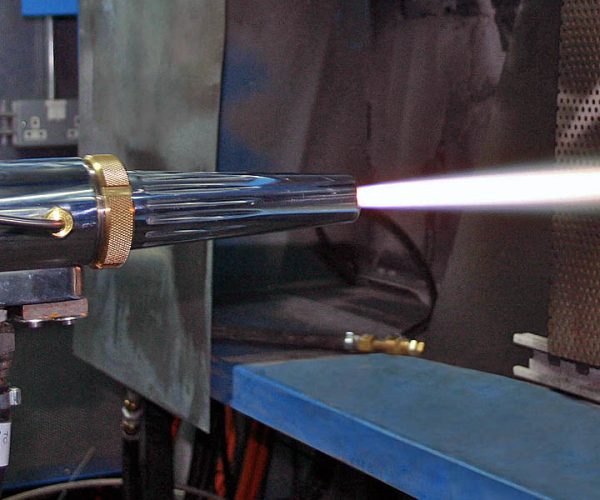
Engineering coatings are commonly defined as a coating that alters the surface properties of the item being sprayed. This could be a coating to decrease the wear rate of an item or to act as a thermal barrier coating.

Engineering coatings are also commonly used to restore the physical dimensions on worn items to reclaim/repair them.

In a typical engine, thermal spray or laser clad coatings can be used to repair crankshafts; produce hard wearing valve seats; prevent cylinder bore wear; coat piston rings to make them harder wearing; re-surface cylinder heads, repair camshaft bearings and re-surface clutch pressure plates.

Another long-standing application is the coating of wear areas on gearbox synchro-ring selector forks.

In the railway industry, train points are metal spray coated as well as re-claiming worn axle bearings and wheel mounts.

An increasingly common application is the spraying of ceramic thermal barrier coatings onto exhaust manifolds. The thermal barrier coating helps to keep exhaust temperature within the exhaust system and hence reduce the temperature within the engine bay which can give significant performance enhancement, particularly in performance and motorsport applications.

Below is a small selection of the very large number of potential automotive and transport industry engineering coating applications. If you donโ€™t see your exact application but are inspired to see the possibilities that may assist you, please feel free to reach out to us by phone or email.

engineering-coatings-spray

Case Studies

ceramic-coated-exhaust

Woof Develops Plasma Ceramic Coatings Range

Reason for use: Thermal barrier coating of exhaust components Download PDF Related Products Met-PCC(PLAS) View Product Previous Next Metallisation customer, Woof Thermal Management Technology, has applied well proven plasma ceramic coatings technology to high performance automotive applications, to provide highly effective thermal barriers in extreme conditions. Metallisation Ceramic Coatings Woof
Read More ยป

Application Data Sheets

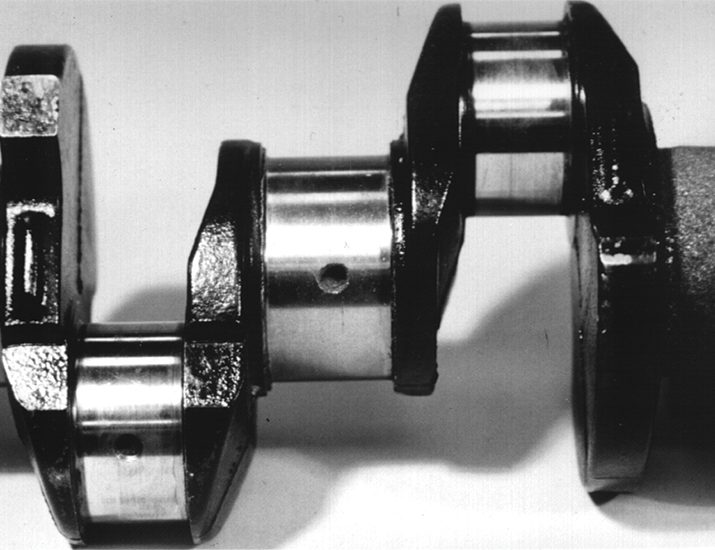
The Reclamation Of Crankshafts By Arcspraying

The Reclamation Of Crankshafts By Arcspraying

Reason for use: Repair of worn, mis-machined or obsolete crankshafts Related Products Arcspray 528E(16)-ICC View Product Arcspray 340(16)-PLC View Product Further Reading The reclamation of crankshafts by Flamespray The reclamation of crankshafts by Plasmaspray The reclamation of crankshafts by the powder flamespray process The reclamation of crankshafts (and many other

Read More ยป
Thermal Barrier Coating Onto Exhausts Systems

Thermal Barrier Coatings Onto Exhausts Systems

Thermal Barrier Coating (TBCs) are ceramic materials which are widely used on modern aero engines and land based turbines. They can also be applied to vehicle exhausts, turbocharger casings, heat shields and other vehicle components to reduce heat transfer and improve vehicle performance. Heat soak from hot exhaust systems transfers

Read More ยป
Clutch Diaphragms Springs

The reclamation of clutch diaphragms springs

Reason for use: During use, the clutch diaphragm spring will wear on its tip ends at the point where it comes into constant contact with the thrust bearing. Download PDF Related Products MK61-FS Wire Flame View Product The clutch diaphragm spring in itself is not particularly an expensive item, however,

Read More ยป
The Reclamation Of Clutch Pressure Plate Faces

The reclamation of clutch pressure plate faces

Reason for use: During use, the clutch pressure plate will wear and form heat cracking on its operative face taking it below acceptable tolerance. Download PDF Related Products Arcspray 528E(16)-ICC View Product Arcspray 340(16)-PLC View Product Further Reading The reclamation of clutch diaphragms springs The reclamation of pressed steel clutch

Read More ยป
The Reclamation Of Crankshafts By Arcspraying

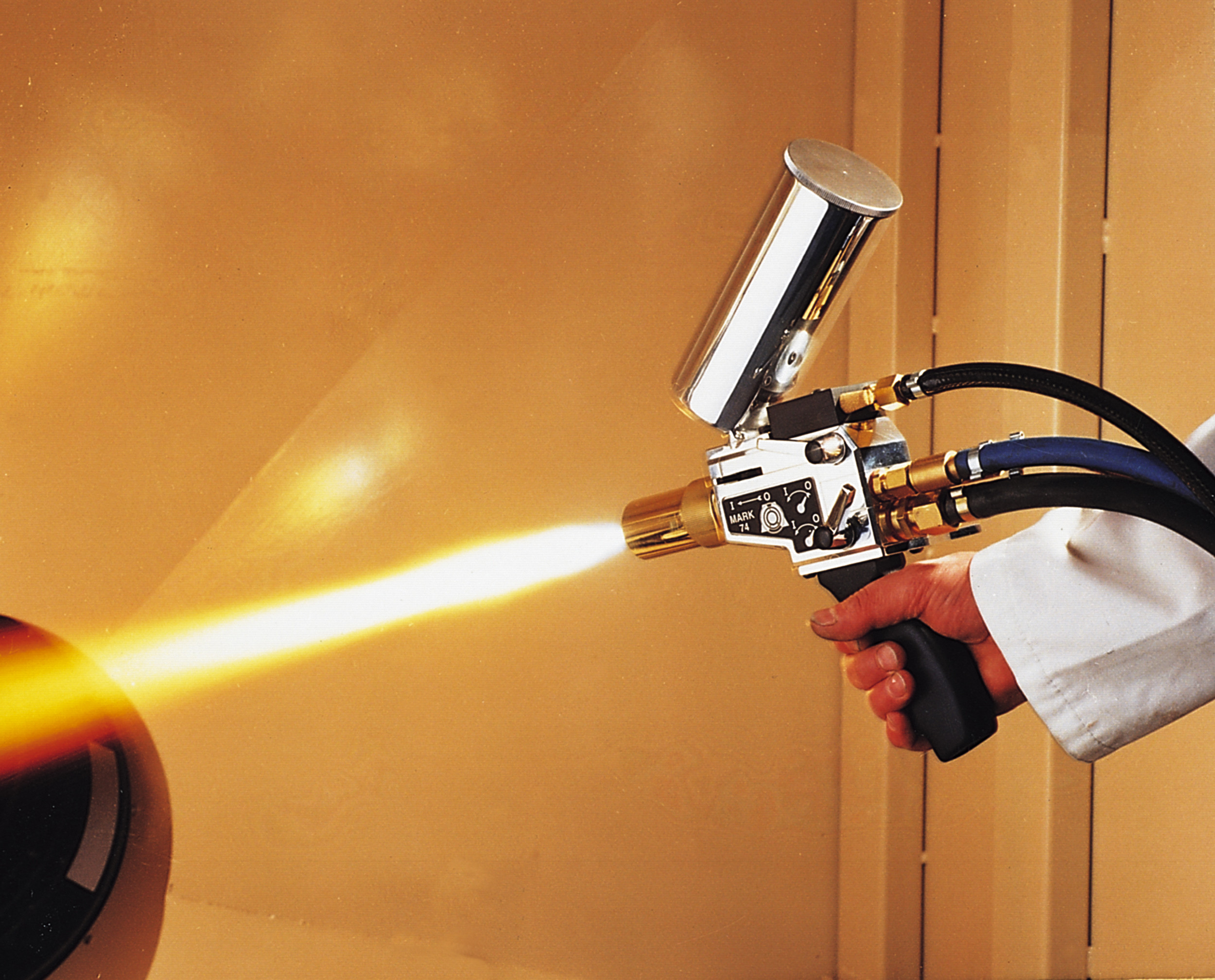
The reclamation of crankshafts by the powder flamespray process

Reason for use: Repair of worn, mis-machined or obsolete crankshafts Previous Next Download PDF Related Products MK74 Powder Flame View Product Further Reading The Reclamation Of Crankshafts By Arcspraying The reclamation of crankshafts by Flamespray The reclamation of crankshafts by Plasmaspray The reclamation of crankshafts (and many other components) by
Read More ยป

Automotive Corrosion Protection

Thermal spray applications for the prevention of corrosion in the automotive and transport industry

Metal or thermal spraying is a technology that applies a variety of coating materials that protect traditionally iron and steel from corrosion by means of a barrier or a sacrificial coating.

For the automotive industry, this could be thought of to stop car bodies going rusty. Typically, for mass production, thermal spray coatings are not commonly suitable due to time and economic factors. However, cherished classic cars are often restored using metal spray to repair and protect body panels.

The beauty of thermal spray corrosion coatings for the transport industry is that the size is no limitation. For this reason, several companies use metal spray coatings to apply zinc onto truck and semi-trailer chassis components.

Railway carriages, tube train wheel-sets, freight wagons and shipping containers are all commonly metal sprayed. Even railway tracks are coated to prevent corrosion in harsh locations. Some of the historical photos and case studies will give an idea of the age and pedigree of this process.

But there are some more obscure applications. Did you know that your air conditioning radiator is commonly coated with zinc to prevent corrosion and assist with manufacturing. The same technology is used in the cooling circuits for the latest electric vehicles to keep the batteries cool.

Even manhole covers in roads can be coated with a durable, non-skid coating to help prevent skidding, especially for motorbikes approaching traffic lights or in corners.

If you have a component in a car, train or truck that goes rusty, thereโ€™s every chance that a thermal spray coating could help you out. Check out below a small list of the possible case studies and applications and get in touch if you think that we could help.

Case Studies

Application Data Sheets

Multivoid-aluminium-tubing-featured

Multivoid aluminium tubing for AC Condensers

Reason for use: Corrosion protection and brazing during assembly. Corrosion of heat exchangers for automotive air conditioning units can be a major problem. The unit is often located near the front grille of the vehicle and hence is exposed to a severely corrosive environment, with road salts, rain and high temperatures all contributing

Read More ยป

Example Applications

Train-carriages

Railway coal wagons

Reason for use: Corrosion protection and abrasion resistance, 100 tonne coal-carrying hopper wagons in New South Wales have been metal sprayed to protect against corrosive attack following the abrasiv

Read More ยป

Chassis Components

Reason for use: To provide corrosion resistance without heat distortion to irregular and large shaped chassisโ€™. The problem of corrosion on road vehicles is receiving ever-increasing attention and various systems are being devised to protect private cars.

Read More ยป
treated-exhaust-pipes

Exhaust pipes – anti-corrosion

Reason for use: To prevent external surface corrosion. Heat resistant surfaces produced by the metal spraying process have many applications; the photograph shows a rather unusual variation of this theme. Two independent exhaust systems, fabricated from steel tube in the Ford GT.40 sports car, have been metal.

Read More ยป

Corrosion Protection of Chemical Processing Plants

Thermal Spray Applications in the Chemical Industry

The chemical industry has several applications of corrosion, cavitation and erosion, often at high temperatures and pressures.

thermal-spray-chemical-industry

Why Corrosion Protection Matters in Chemical Processing

Corrosion is more than just surface rust. In a chemical plant, it can compromise entire systems. Steel tanks can thin over time, pipework can weaken, and supporting structures can lose their strength. If this is left untreated, small areas of damage can lead to leaks, contamination and production downtime.

A proactive approach to protecting against it is far more effective than waiting for problems to appear.

Corrosion Under Insulation

One of the most hidden and costly forms of corrosion in chemical plants is corrosion under insulation, often shortened to CUI. It occurs when moisture gets trapped beneath layers of thermal insulation wrapped around pipes, vessels or equipment. Because it is hidden from view, damage can spread unnoticed until it becomes severe. In the worst cases, CUI can cause corrosion rates up to 1mm/year.

A long proven method to protect against CUI is the use of Thermal Spray Aluminium (TSA). Protection in excess of 20 years has been shown in real life applications, leading to TSA being widely adopted by such companies as Shell and Exxon Mobil across their global refineries. The same conditions occur in downstream chemical processing plants.

Metallisation METJET 4L HVOF

High Temperature Corrosion

In several areas, high temperature corrosion can occur with complex corrosion environments and pressures. At times, erosion from the products being stored and pumped adds further complexity. There are several thermal spray solutions available to combat high temperature corrosion from arc sprayed Hastelloy or Inconel CRAโ€™s (corrosion resistant alloys) through to the same materials applied by HVOF or HVAF.

How It Works in Practice

Imagine a steel storage tank that regularly comes into contact with acidic substances. Over time, even high grade steel can corrode. By applying a sprayed coating of aluminium or zinc, we create a sacrificial layer. This layer corrodes first, protecting the underlying steel. Itโ€™s a simple but highly effective way of adding years of service life to the tank.

For pipework, valves and fittings, thermal spray adds protection without significantly increasing weight or altering the shape of the components. It means plant operators can keep existing systems in place while improving their resistance to corrosion.

Please contact Metallisation for further advice on coating and process selection. You can also refer to the independent standard EN ISO 17834:2003 for guidance on coatings for protection against corrosion and oxidation at elevated temperatures.

Working With Us

If youโ€™re looking for a partner to protect your assets from corrosion, our team is ready to help. Get in touch today to discuss your plantโ€™s challenges and find out how our thermal spray coatings can provide the protection you need.

Contact Metallisation Ltd now to start a conversation about safeguarding the future of your chemical processing plant.

Wind Power Corrosion Protection

Thermal Spray Coatings for Wind Turbines

As the wind power industry moves to larger structures and offshore locations, the advantages of thermal spray coatings grow too.

Corrosion Protection for Onshore Wind Turbines

From the early development of onshore wind farms, thermal spray coatings have been widely used on tower sections. They are commonly applied to areas that are more likely to suffer damage during transportation, installation or maintenance.

Typical applications include flanged ends, access hatches, ladder supports and other exposed areas where protective paint systems can be damaged during handling or regular use.

By applying zinc or aluminium thermal spray coatings to these vulnerable locations, operators can reduce the risk of corrosion developing beneath damaged paint systems.

Offshore Wind Turbines

Offshore Wind Turbine Protection

As the industry has expanded offshore, corrosion protection requirements have become far more demanding. Saltwater, sea spray and constant exposure to the marine environment accelerate corrosion, making long term protection essential.

Many major wind turbine manufacturers now specify zinc or zinc/aluminium thermal spray coatings on components including towers, nacelles, hubs and slewing rings. These coatings provide dependable protection throughout the operational life of the turbine while helping reduce maintenance requirements.

Thermal Spray Aluminium (TSA) is also becoming increasingly common on offshore structures. Drawing on decades of successful use within the oil and gas sector, TSA is now widely specified for monopiles, jacket structures and boat landings where long term corrosion resistance is critical.

Researching the Next Generation of Coating Systems

Metallisation Ltd continues to invest in the future of corrosion protection for the renewable energy sector.

We are actively involved in a grant funded research and development programme investigating coating systems capable of achieving up to 40 years before first major maintenance. Alongside this work, we are developing new approaches for applying coatings to large wind turbine structures efficiently and consistently.

The video shows the early application of thermal spray coatings to protect small wind turbine towers against corrosion.

Working With Us

If you’re looking for a trusted partner for wind turbine corrosion protection, our experienced team is here to help.

Contact Metallisation Ltd today to discuss your project, explore the most suitable coating solution and discover how our expertise can help protect your investment for decades to come.

And if you have your own production line? We can support you with advice, training or supply of thermal spray equipment – depending on what you need.

Tube and Pipe Corrosion Protection

Thermal Spray Coatings for Tubes and Above Ground Pipework

For organisations responsible for large pipe networks, corrosion protection forms an important part of long term asset management.

Safeguarding Tubes and Pipes from Corrosion

Metallisation Ltd provides specialist pipe corrosion protection using proven metal and thermal spray coating solutions. Our coatings create a durable protective barrier that helps extend the working life of tubes and steel pipework situated above ground.

Whether youโ€™re looking to maintain existing infrastructure, refurbish ageing pipework or protect new installations, we work with businesses across a wide range of industries to help improve the reliability of your assets.

Does your project involve below ground infrastructure? We also provide specialist corrosion protection solutions for underground pipework.

Why It Matters

Corrosion is one of the biggest causes of premature pipe failure. Even high quality steel can begin to deteriorate when exposed to moisture and oxygen over long periods. Industrial sites can introduce additional challenges such as chemicals, salt deposits, high humidity or fluctuating temperatures, all of which speed up the corrosion process.

When corrosion is left untreated, it can weaken the structure of a pipe, create leaks and increase maintenance costs. Production downtime, safety risks and replacement costs can quickly become far more expensive than protecting the pipework in the first place.

The cost of applying a specialist coating is often only a small percentage of the overall value of the asset it is protecting.

Common Applications

Oil and Gas

Protects exposed pipelines, process pipework and storage facilities from corrosion caused by harsh outdoor and industrial environments.

Water Treatment

Provides long term corrosion protection for above ground pipes used in water and wastewater treatment plants exposed to constant moisture.

Power Generation

Protects steam, water and gas pipework from weathering and corrosion, helping maintain the integrity of critical infrastructure.

Industrial

Reduces corrosion on exposed process pipework, compressed air systems and utility pipes across factories and industrial facilities.

How Does the Coating Process Work?

We use metal and thermal spray technology.

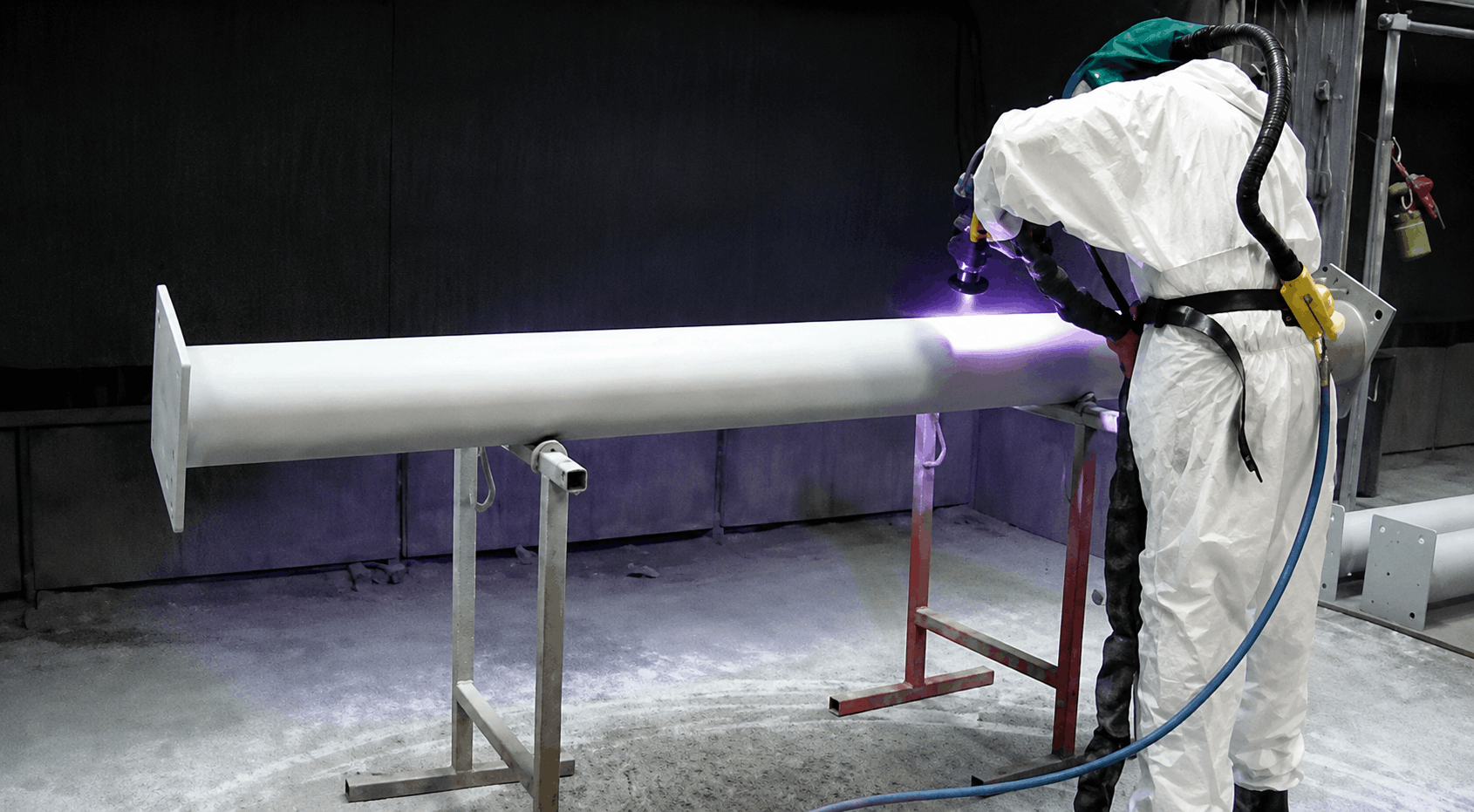
This is a process where metal wire or powder is heated and propelled onto a prepared surface at high speed. The molten particles flatten when they hit the metal surface and quickly solidify, forming a tightly bonded protective layer.

Before the coating is applied, the component is carefully prepared through abrasive blasting.

Once the surface is prepared, specialised thermal spray equipment is used to apply the coating, which is then inspected to verify the required thickness, coverage and overall finish.

Working With Us

Metallisation Ltd has extensive knowledge of metal and thermal spray coating solutions. We work closely with customers to understand the demands placed on their pipework before recommending the most suitable protective system.

Every project is approached with attention to detail, from the condition of the substrate through to the finished coating.

Our experienced team has worked on multiple tube and pipework projects. From individual pipe sections through to large industrial installations, we provide dependable workmanship backed by technical knowledge and practical experience.

Tube and Pipe Application Data Sheets

multisurface-product-table

Seam Spraying of Pre-coated E.R.W Tube

Reason for use: Corrosion protection of the weld area on a pre-coated steel tube. Tube is produced on a tube forming mill by Electrical Resistance Welding of the longitudinal seam. By using pre-coated steel strip, tube with enhanced corrosion resistance can be produced.

Read More ยป

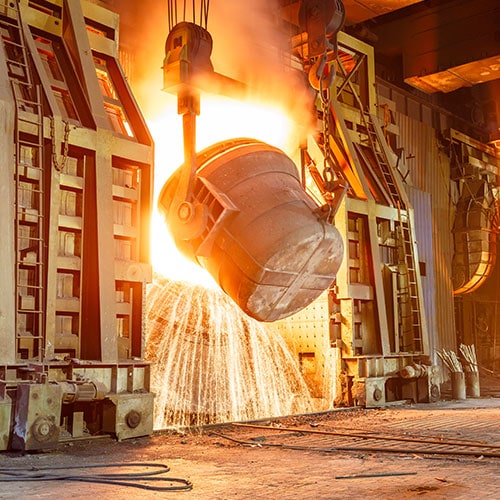
Corrosion Protection of Steel Production Equipment

Thermal Spray Coatings for the Steel Production Industry

We help to keep steel plants running with proven metal and thermal spray solutions.

steel-production-button

Corrosion Protection for Steel Production Facilities

At Metallisation Ltd, we provide thermal spray coating solutions designed to protect steel production equipment from corrosion in demanding operating conditions. Our coatings are developed to help steel manufacturers maintain reliable and efficient production processes.

Why It Matters

Corrosion protection helps maintain operational reliability by preserving critical equipment surfaces and reducing the likelihood of premature failure.

Protected components generally require fewer repairs and can remain in service for much longer periods. This allows maintenance teams to plan shutdowns more effectively rather than reacting to unexpected breakdowns.

Corrosion protection can also improve workplace safety. Deteriorated equipment can create structural risks, fluid leaks or mechanical failures that may pose hazards to personnel. Maintaining equipment integrity helps support safer working environments throughout the plant.

Common Uses in Steel Production

Rolling Mills

Thermal spray coatings are commonly applied to rollers and guide systems to protect against wear, moisture and scale build-up, reducing maintenance and downtime.

Continuous Casting Equipment

Continuous casting equipment is regularly exposed to high temperatures and cooling water, creating conditions where corrosion can develop quickly.

Blast Furnaces

Thermal spray coatings protect blast furnace components from high temperatures, abrasive materials and corrosive gases, helping to extend equipment life.

Coating Materials for Corrosion Protection

Selecting the correct coating material is critical to achieving long term corrosion resistance.

At Metallisation Ltd, we assess each application individually to determine the most suitable coating system based on operating temperatures, environmental exposure and component function.

Aluminium and zinc-based coatings are widely used for atmospheric corrosion protection. These coatings provide sacrificial protection, meaning they corrode in preference to the underlying steel and help prevent substrate deterioration.

Where more aggressive environments exist, specialist alloy coatings may be recommended. Nickel-based materials, stainless steel coatings and other engineered alloys can provide excellent resistance to both corrosion and elevated temperatures.

The final coating selection will always depend on the specific operating conditions and performance requirements of the equipment.

Working With Us

At Metallisation Ltd, we offer flexible solutions to suit the needs of your business. If you would prefer to carry out your own coating work, we can supply the necessary thermal spray equipment, along with training and technical support to help your team operate it confidently.

Alternatively, you can leave the entire process to us. Our experienced team can manage everything – from assessing your requirements and selecting the appropriate coating system through to application and finishing.

Whatever approach you choose, we’ll work closely with you to deliver a solution that meets your operational needs. Get in touch with our team today to discuss your requirements.

Power Generation

Specialist Coating Solutions for the Power Generation Sector

Facing wear or corrosion issues in your power generation equipment? Speak to Metallisation Ltd today.

power-generation-button

Protecting Critical Power Generation Assets

Protection Against Extreme Heat

Power generation equipment operates in extremely hot conditions, which can lead to oxidation and surface damage over time. Our thermal spray coatings provide a heat resistant barrier that helps protect components and extend their service life.

Corrosion Protection

Steam, moisture and chemicals can rapidly corrode exposed surfaces. Our thermal spray coatings create a protective layer that helps reduce corrosion, minimise downtime and prolong component life.

Erosion and Wear Resistance

High velocity steam, gases and abrasive particles gradually wear away critical components. Our thermal spray coatings provide a hard wearing surface that helps reduce wear and maintain reliable performance.

What Components Can We Help Protect?

Turbine Components

Thermal spray coatings protect critical turbine components such as blades, shafts and sealing surfaces, helping extend service life, reduce maintenance and support reliable operation.

Boilers and Combustion Equipment

Boiler tubes and combustion system components are exposed to high temperatures, ash deposits and corrosive gases. Surface degradation in these areas can lead to reduced efficiency and expensive outages.

Pumps, Valves and Pipework

Pumps and valves are essential for controlling fluids and steam throughout power generation facilities. These components can suffer from cavitation, erosion and corrosion over time.

Refurbishment Rather Than Replacement

One of the major advantages of thermal spray technology is the ability to restore worn or damaged components.

Replacing large power generation components can be expensive and often involves lengthy lead times. In many cases, thermal spraying allows existing assets to be rebuilt and returned to service at a fraction of the cost of manufacturing new parts.

Following surface preparation, worn areas can be rebuilt using suitable coating materials before being machined back to the required dimensions. This refurbishment process can significantly reduce maintenance costs while minimising downtime.

For power plant operators seeking to maximise the value of their existing assets, refurbishment can provide substantial long term savings.

Working With Us

At Metallisation Ltd, we recognise that no two power generation facilities are identical. Different fuel sources, operating temperatures and environmental conditions all influence coating performance.

Our team is able to work closely with you to understand the specific challenges affecting your equipment. By assessing operating conditions, failure mechanisms and maintenance objectives, we can recommend coating systems that address the root cause of the problem.

Our extensive experience across all industrial sectors allows us to provide coating services for both new components and refurbishment projects.

Print and Paper Thermal Spray Coatings

Thermal Spray Coatings for the Print and Paper Industry

Our coatings offer a practical way to protect and restore critical parts used throughout print and paper production.

paper-print-button

Thermal Spray Solutions for Rollers and Cylinders

At Metallisation Ltd, we provide thermal coating solutions for a wide range of rollers and cylinders used throughout the print and paper industry. Depending on the operating conditions, coatings can be selected to improve wear resistance, reduce friction or protect against corrosion and temperature exposure.

We guide clients through the selection process using straightforward advice based on practical performance rather than overly technical explanations. Our focus is always on delivering a coating that solves the problem and supports long term reliability.

Restoring Worn Rollers in Print, Paper and Packaging Production

Instead of repeatedly replacing damaged parts, our coatings can also help companies restore damaged roller shafts to achieve greater operational life.

This restoration process can significantly reduce replacement costs while shortening downtime. For many print and paper businesses, refurbishment offers a practical way to maintain production without waiting for new parts to be manufactured or delivered.

Working With Us

If your print or paper production equipment is showing signs of wear, corrosion or declining performance, Metallisation Ltd can help. We can supply thermal spray equipment directly to you and provide guidance and training so your team can operate it with confidence in-house. Alternatively, you can leave everything to us.

Get in touch with our team today to discuss your requirements.

Anti Corrosion Coatings for Oil and Gas

Thermal Spray Coatings for Corrosion Protection in the Oil and Gas Industry

The oil and gas industry has been using metal spray coatings for decades. And thereโ€™s a reason for it.

oil and gas anti corrosion coatings

Protecting Onshore and Offshore Infrastructure

At Metallisation Ltd, we provide anti corrosion coating solutions designed to help oil and gas businesses protect critical assets and extend the working life of components operating in demanding conditions. With decades of experience in metal and thermal spray coating technology, we work with clients across offshore, onshore and subsea applications to deliver coatings that perform where they are needed most.

Why Corrosion Is a Major Challenge in Oil and Gas

Corrosion is one of the biggest maintenance concerns within the oil and gas sector. Pipelines, valves, pumps, structural steel, pressure vessels and offshore platforms are all exposed to conditions that naturally break down metal over time.ย 

Saltwater exposure is particularly aggressive in offshore environments, while chemicals and gases used during extraction and processing can accelerate corrosion even further.

When corrosion is left untreated, the impact can be significant. Components may weaken, production can slow down and safety risks can increase. In many cases, replacing damaged parts is far more expensive than applying protective coatings from the start.

A Dual Approach

Applications fall into two categories – corrosion protection coatings and engineering coatings.

Corrosion Protection

Corrosion protection coatings are typically applied using either flame spray or arc spray, also known as the twin wire arc spray process.

Common coating materials include thermal spray aluminium (TSA), thermal spray zinc/aluminium (TSZA) and thermal spray zinc (TSZ). The choice depends on the operating environment and the expected service life before maintenance is required.

TSA coatings have been widely used to help combat Corrosion Under Insulation (CUI) for more than 30 years and continue to be specified across major coating projects today.

Engineering Coatings

Engineering coatings can be applied using a range of thermal spray and cladding processes to change the surface properties of a component.

In the oil and gas industry, these coatings are commonly used to improve wear and chemical resistance. Popular examples include HVOF applied tungsten carbide coatings and arc sprayed Inconel 625.

The choice of coating material and application process depends entirely on the operating conditions and performance requirements. Metallisation works closely with customers to recommend the most suitable solution for each application.

Common Uses in Oil and Gas Applications

Offshore Structures

Platforms, walkways, risers, helidecks and support steelwork all require protection from constant exposure to saltwater, moisture and harsh weather conditions.

Pipelines and Pipe Spools

Pipelines and pipe spools often operate in aggressive environments where corrosion and surface degradation can lead to costly issues.

Storage Tanks and Pressure Vessels

Storage tanks and pressure vessels are regularly exposed to chemicals, temperature changes and environmental conditions that can accelerate corrosion over time.

How Does the Coating Process Work?

The process involves spraying molten or heated coating material onto a prepared metal surface at high speed. Once applied, the coating forms a protective layer that shields the underlying material from corrosion, wear and environmental damage.

For many oil and gas applications, aluminium and zinc based coatings are commonly used due to their excellent corrosion resistance. These coatings act as sacrificial protection, meaning they corrode in place of the underlying steel. This helps preserve the integrity of the component for much longer.

The video shows a common application for corrosion protection. The operators are applying Thermal Spray Aluminium (TSA) by the flame spray process.

Working With Us

At Metallisation Ltd, we work closely with oil and gas operators, engineering companies and contractors to deliver coating solutions that meet real world demands.

Our experience covers a wide range of thermal spray technologies and coating materials, allowing us to support both new build projects and refurbishment work.

Weโ€™re able to handle both one-off jobs and large-scale runs, and we always focus on getting the details right. And if you have your own production line? We can support you with advice, training or supply of thermal spray equipment โ€“ depending on what you need.

Nuclear Thermal Spray Coatings

Thermal Spray Solutions Built for the Nuclear Sector

We support businesses across the nuclear supply chain with coatings that improve component longevity.

nuclear-button

Supporting Critical Nuclear Infrastructure

In nuclear facilities, even small component failures can lead to costly downtime and operational disruption. Surface protection plays an important role in helping systems continue operating safely over long periods of time.

Our thermal spray coatings are commonly used to protect nuclear components from corrosion, erosion, abrasion and heat exposure. They can also restore worn parts back to operational tolerances without the need for full replacement. This can provide significant cost savings while helping maintain the integrity of critical equipment.

At Metallisation Ltd, we work on projects involving pumps, valves, pipework, turbines, containment systems, heat exchangers and many other engineered components used within nuclear operations.

Corrosion Protection Spray.jpg

Nuclear Corrosion Protection

Our thermal spray coatings provide a protective barrier that helps shield base materials from corrosive attack. This is particularly important for components operating in cooling systems, offshore nuclear environments and processing facilities where long-term reliability is essential.

Arc spray aluminium and zinc aluminium coatings are widely used for corrosion protection on structural steelwork and large infrastructure assets. Nickel-based coatings are often selected where higher temperature resistance and chemical protection are required.

By protecting the surface of the component, thermal spray coatings can help reduce maintenance requirements and extend service life.

Wear Resistance for High Performance Components

Our thermal spray coatings can also restore and protect critical surfaces against abrasive and erosive wear. Tungsten carbide coatings, for example, are commonly used where high hardness and wear resistance are required.

These coatings are often applied to shafts, sealing surfaces, rollers, valves and pump components where maintaining tight tolerances is important.

Working With Us

Choosing the right thermal spray partner matters, particularly in industries where reliability and technical understanding are essential.ย 

Whether you require corrosion protection, wear resistance, component refurbishment or specialist coating development for nuclear applications, we are here to help.ย 

Get in touch with our team today to discuss your requirements.