

What is Corrosion Under Insulation?
CUI is one of the most expensive forms of corrosion to deal with in the oil, gas, chemical and power sectors. Understanding what it is, why it happens, and how it can be managed is key to protecting equipment and avoiding unnecessary downtime.
What is CUI?
Corrosion under insulation (often called CUI) occurs when water gets trapped beneath insulation on pipes, tanks, or equipment. Over time, the trapped moisture leads to corrosion of the metal surface. Because it is hidden under insulation, it often goes unnoticed until serious damage has already occurred.

Why Does Corrosion Under Insulation Happen?
Corrosion under insulation occurs when water enters the insulation system and stays trapped against the metal surface. This moisture can come from rain, leaks, or even condensation. Over time, it reacts with the metal, causing rust or other forms of corrosion. Because the insulation covers the pipe or vessel, the corrosion develops out of sight.
Temperature also plays an important role. CUI is most common on equipment operating between -4°C and 175°C. In this range, moisture does not evaporate quickly, making it easier for corrosion to take hold.
How Serious is CUI?
CUI is one of the biggest causes of pipe and equipment failure in the oil, gas, and chemical sectors. According to the National Association of Corrosion Engineers (NACE), CUI accounts for up to 40% of all maintenance costs related to piping corrosion. This shows just how common and expensive the problem can be.
The Hidden Dangers
CUI is called a ’silent threat’ because it often cannot be seen until it is too late. Insulation covers the metal surface, making inspection difficult. Even when external insulation looks intact, there may be severe corrosion underneath. This makes CUI a leading cause of unexpected shutdowns and costly repairs.
Typical Environments for CUI
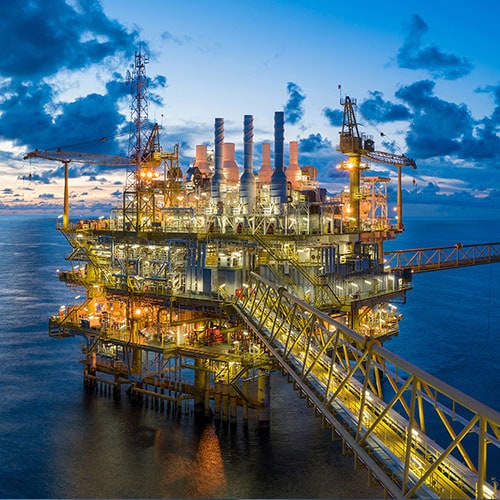
CUI is most likely to occur in plants that use insulated equipment outdoors. Offshore platforms, refineries, chemical plants, and power stations are particularly vulnerable. The constant changes in temperature, combined with wet conditions, create an ideal environment for hidden corrosion to spread.
How can CUI be Detected?
Because CUI hides under insulation, detection can be challenging. Traditional inspection requires removing insulation, which is costly and time consuming. Visual inspection, ultrasonic testing and radiography are often used to identify CUI without full removal.
Routine maintenance programmes now include targeted inspections in high risk areas. Digital technologies such as drones and thermal imaging are also beginning to help spot suspicious areas before insulation is removed.
Protecting Against CUI
One of the most effective ways to reduce the risk of CUI is by applying protective coatings to the metal before insulation is installed. Metal spray and thermal spray coatings are widely used for this purpose. They provide a strong barrier against moisture and extend the life of the equipment.

The Cost of Ignoring CUI?
If left untreated, CUI can lead to leaks, shutdowns, and even safety incidents. Replacing damaged piping or vessels can cost millions of pounds. In addition, unplanned downtime can disrupt production and impact a company’s reputation. Many businesses spend more money dealing with the consequences of CUI than they would on prevention.
Take Action Today
At Metallisation, we have decades of experience in metal and thermal spray solutions. Our equipment and expertise help industries reduce the risk of CUI by protecting vital assets before problems occur.
If your business relies on insulated pipes, tanks or equipment, now is the time to act. Get in touch with our team to discuss how our proven spray solutions can protect your infrastructure from CUI and extend its service life.