

How Long Do Thermal Spray Coatings Last?
If you're new to thermal spraying, you may wonder how long these protective coatings really last. The short answer? A long time. But the exact lifespan depends on a few key things. In this post, we'll break it all down in a simple and clear way.
What is a Thermal Spray Coating?
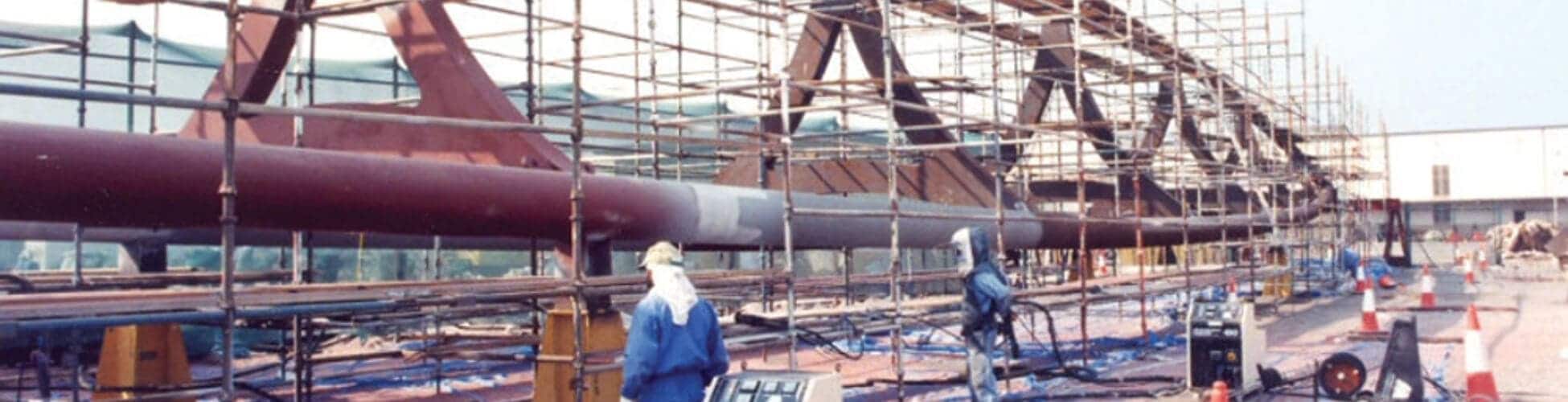
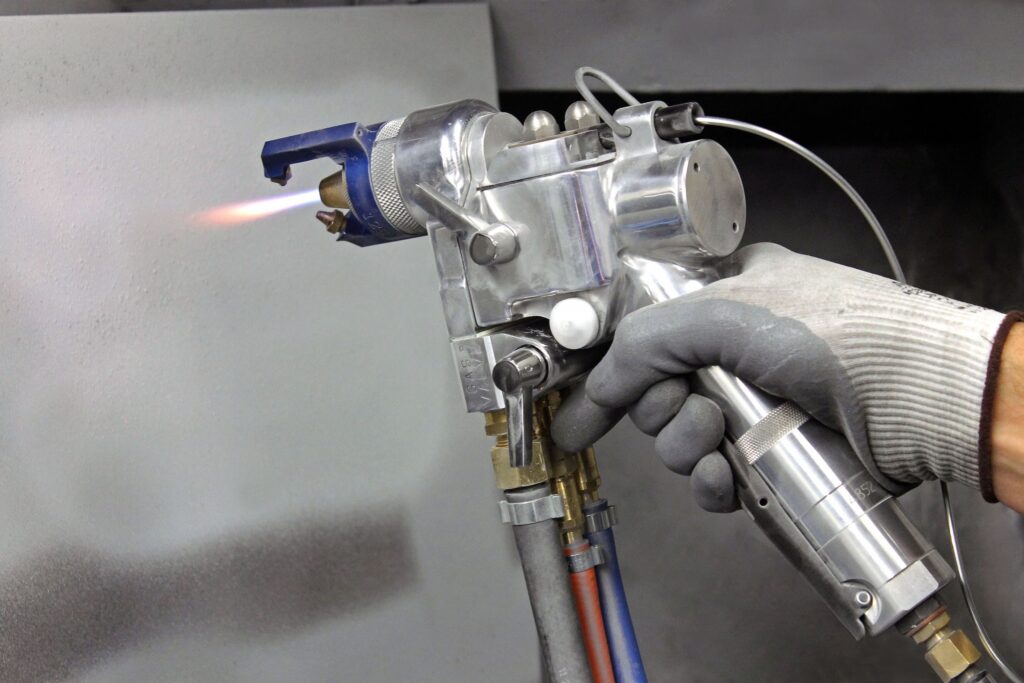
For those that don’t know, a thermal spray coating is a layer of material added to a surface to protect it. The process uses heat to spray melted or heated materials such as metals or ceramics onto a surface. This creates a hard, protective layer.
Thermal spraying is used to help prevent rust, wear, heat damage, and corrosion. It can be applied to many different surfaces, including steel, aluminium and even plastic. It’s common in industries such as oil and gas, marine work, power generation, and aircraft repair.
So, How Long Does It Last?
Most thermal spray coatings last between 5 and 30 years, and some even longer.
The life of a thermal spray coating depends on many factors:
- The type of coating used
- The surface it goes on
- The environment it’s in
- How it’s applied and maintained
In controlled environments with the right coating, it’s not unusual to see 20 or 30 years of life. In harsh environments, such as offshore platforms or chemical plants, the coating may need to be refreshed after 5 to 10 years. But even then, it’s still saving time and money compared to other options.
The Lifespan of Different Thermal Spraying Materials
Metallic Coatings
Metallic coatings like aluminium, zinc or stainless steel tend to last a long time. Zinc, for example, can protect steel from rust for 15 to 25 years in an outdoor setting.

Ceramic Coatings
Ceramic coatings are great in high heat areas, such as gas turbines and exhaust systems. These can withstand thousands of hours of operation, which often means several years, even with daily use.

Carbide Coatings
Carbide coatings, often used for wear resistance, are popular in printing or manufacturing industries. These coatings can last anywhere from 2 to 10 years, depending on how much friction they face.

Real World Examples
Here are some typical examples from the field:
- Offshore oil rigs: Zinc coatings often last 10-15 years even in salt spray zones.
- Turbine blades in power plants: Ceramic coatings can handle high temperatures and stay effective for 5-10 years.
- Mining equipment: Hard metal coatings such as tungsten carbide can last 3-5 years under constant abrasion.
- Bridges and steel structures: Arc sprayed zinc often protects steelwork for over 20 years.
The surface prep before spraying is also important. If the surface is clean, roughened and ready, the coating sticks better. That means it stays in place longer. Poor prep can cut the life of a coating in half.
Can Thermal Spray Coatings Be Reapplied?
Yes. In most cases, thermal spray coatings can be reapplied or repaired.
This is one of the great things about thermal spraying. If a coating starts to wear out, you don’t always need to replace the whole part. You can often clean the surface and apply a new layer. This saves money and reduces downtime.
For pipelines, wind turbines or pumps, this ability to recoat is a big advantage. It keeps systems running longer and helps avoid the cost of buying new parts.
Ready to Talk Coatings?
If you’re planning a project or want to know more about how long a coating could last in your setting, we’d love to hear from you.
Get in touch with Metallisation today. Let’s talk about the best coating for your job – and how we can help it last as long as possible.