Corrosion Protection for New and Existing Industrial Assets
Thermal spraying isn’t limited to one stage of an asset’s life.
For new industrial steelwork and equipment, corrosion protection can be incorporated before the asset enters service. This allows the coating system to be selected around the environment and conditions the steel will face from the outset.
Thermal spraying can also form part of the refurbishment of existing industrial assets. Where steelwork remains serviceable but its existing corrosion protection has deteriorated, a thermal sprayed coating can provide a new protective layer following appropriate surface preparation.
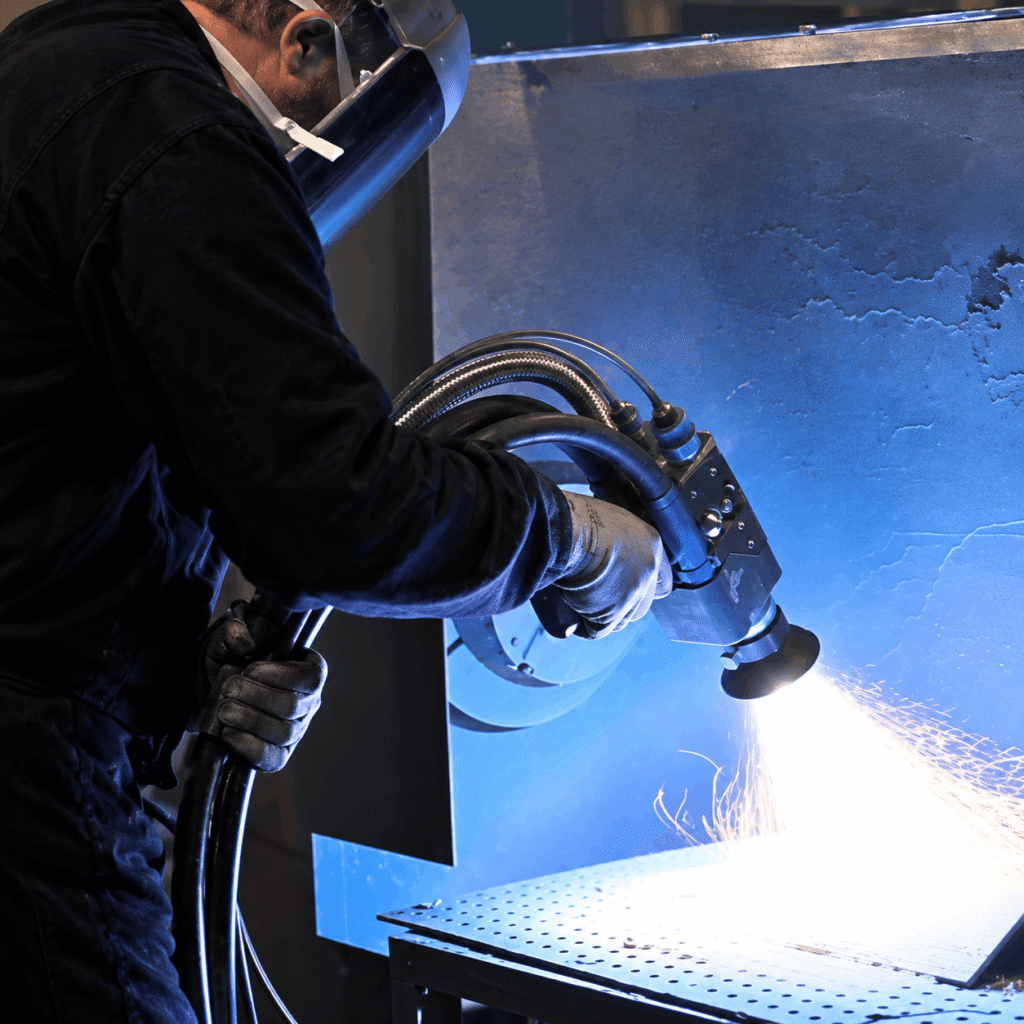
Our systems apply a metallic coating, typically zinc, aluminium or a zinc-aluminium alloy, directly onto a prepared steel surface.
Zinc Thermal Spray
Zinc thermal spray provides both barrier and sacrificial protection for industrial steelwork.
Aluminium Thermal Spray
Aluminium thermal spray creates a durable barrier that separates the underlying steel from corrosive conditions.
Zinc-Aluminium Coatings
Zinc-aluminium coatings combine characteristics of both metals and can provide an effective solution for industrial corrosion protection.
Metallisation can help you identify the right thermal spray process and coating material based on your industrial application and project requirements.
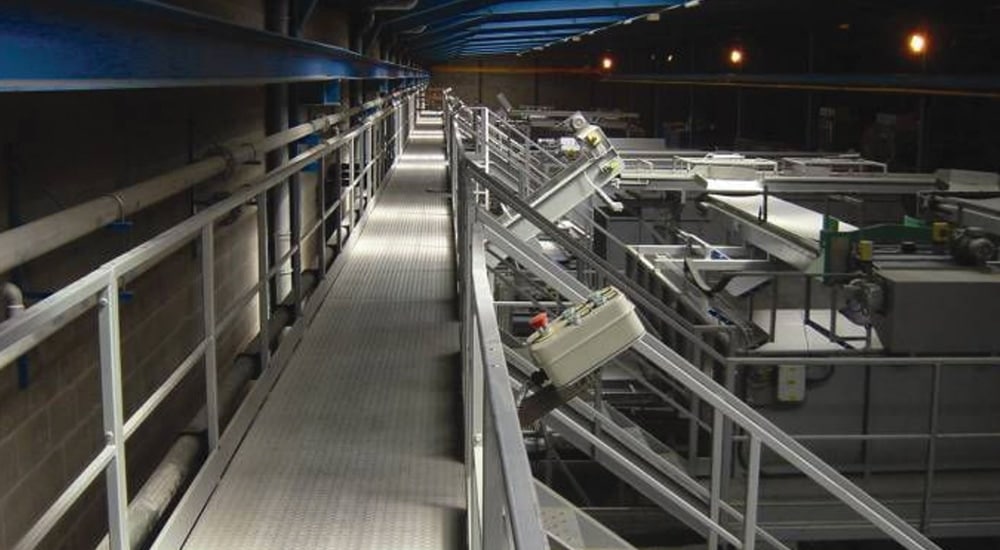
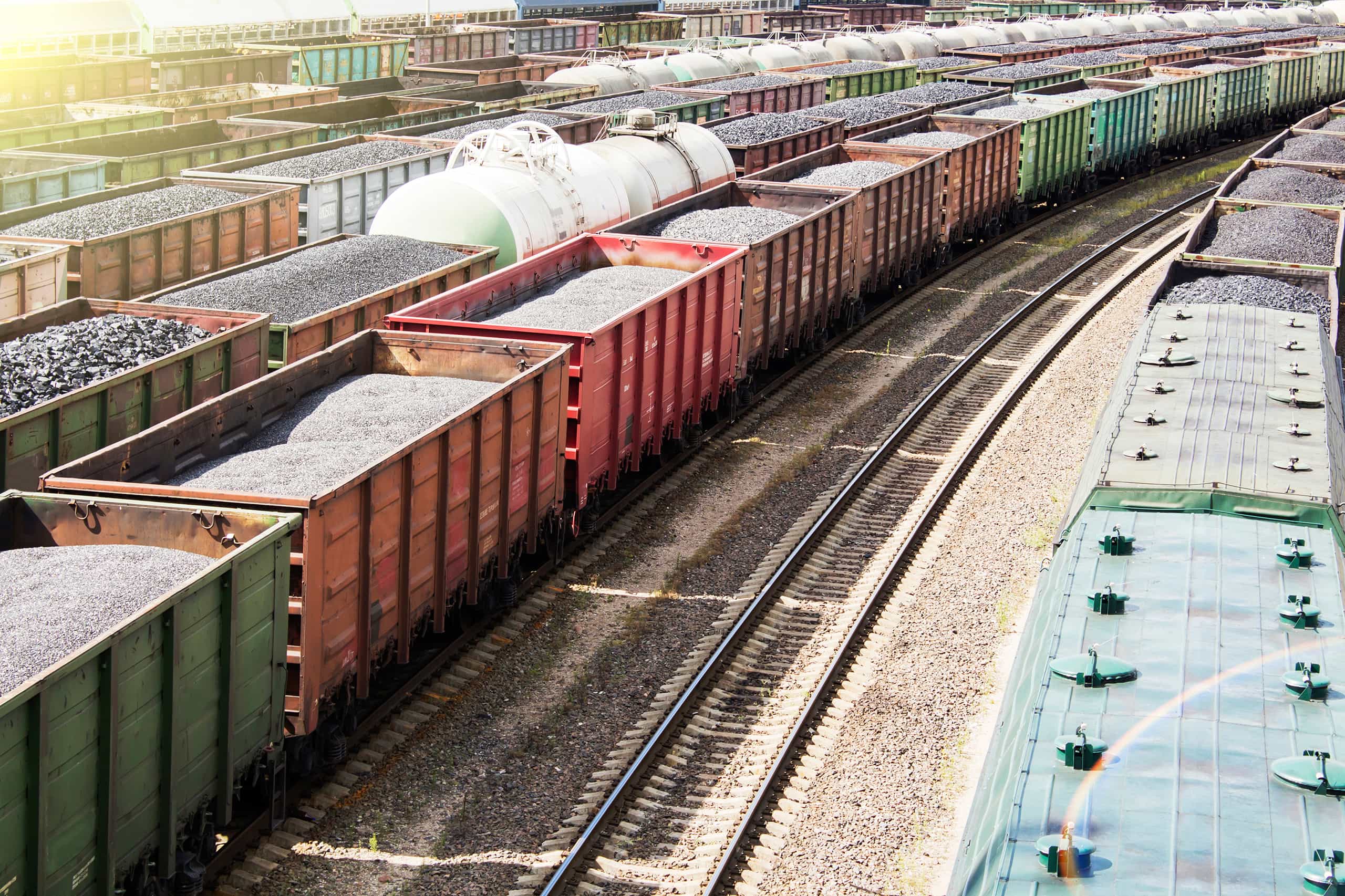
Industrial Structures and Equipment We Can Help Protect
One of the major advantages of thermal spraying is its ability to be used across everything from individual components to large industrial structures.
Extending the service life of these assets can help reduce maintenance requirements, avoid premature replacement and limit disruption to production.
Got a Project in Mind?
Looking to protect a major industrial structure or piece of equipment from corrosion?
For large scale projects, our experienced team can work alongside asset owners, engineers, contractors and project teams to help plan and carry out the thermal spraying process.
And if you’re looking to bring thermal spraying in-house? We can also supply the equipment and technical knowledge needed to establish an effective coating process.